Ever poured yourself a glass of wine after a long day, only to wonder if that very bottle could double as an elixir for your skin? Sounds like magic, but it’s closer to science. Sustainable wines are not just good for the planet—they’re also packed with antioxidants and nutrients that skincare obsessives swear by. In this post, we’ll uncork the secrets of sustainable winemaking and how these vino gems are transforming the organic beauty scene. Spoiler alert: You’re about to become a sommelier for your skincare routine.
Table of Contents
- Why Are Sustainable Wines Taking Over?
- How Are Sustainable Wines Made?
- Sustainable Wines in Beauty: What’s the Buzz?
- Tips for Choosing the Right Sustainable Wine
- Success Stories from the Vineyard
- FAQs About Sustainable Wines
Key Takeaways
- Sustainable wines are crafted using eco-friendly practices that benefit both the environment and your skin.
- Antioxidants found in organic grapes can enhance radiance and fight signs of aging.
- Choosing the right sustainable wine involves checking certifications and understanding vineyard ethics.
- Case studies prove that small vineyards making big changes impact local ecosystems positively.
Why Are Sustainable Wines Taking Over?
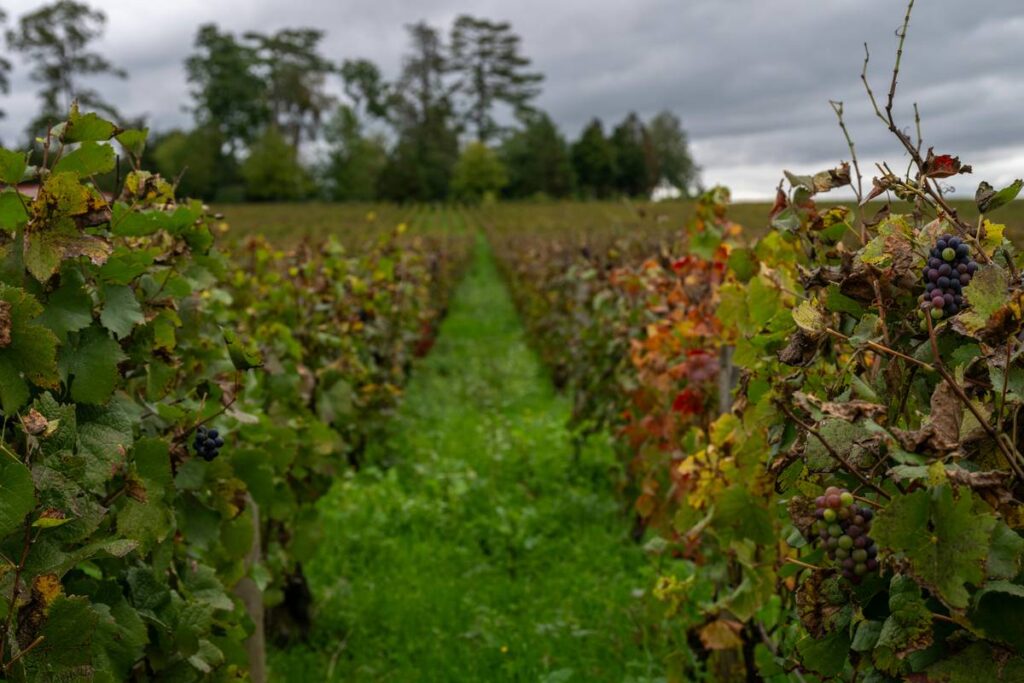
“Wait, aren’t all wines natural?” Oh sweet summer child—nope. Many conventional wines are loaded with sulfites, pesticides, and additives that strip them of their true essence (and nutritional value). That’s where sustainable wines come in. Picture rolling hills dotted with grapevines thriving under natural sunlight, free from harmful chemicals. These wines prioritize environmental health while delivering cleaner tastes—and clearer complexions.
Rant Alert: Seriously, why do some winemakers think spraying literal poison on their vines is okay? It’s like rubbing acid on your face and expecting glowy skin—it doesn’t work! Let’s normalize celebrating those who respect the earth and our bodies instead!
How Are Sustainable Wines Made?
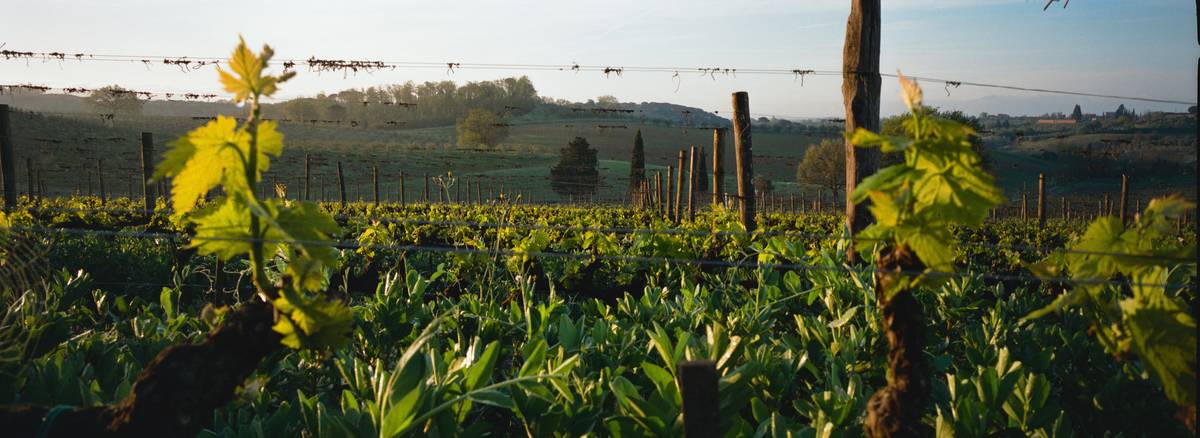
Let me paint you a picture: A tiny vineyard tucked away in Tuscany. Here, farmers wake up at dawn to handpick grapes grown without synthetic fertilizers or pesticides. Instead, they rely on biodynamic farming, crop rotation, and composting to keep soil healthy. The result? Cleaner wines rich in polyphenols—the same compounds that protect against UV damage when applied topically.
Optimist You: “So I can drink AND use this stuff? Life-changing!”
Grumpy You: “Only if you pair it with SPF—you still need sunscreen, friend.”
Sustainable Wines in Beauty: What’s the Buzz?
If there’s one thing ancient Romans got right (apart from aqueducts), it was soaking in wine baths. Fast-forward to today, and brands are harnessing grapeseed oil, resveratrol, and other byproducts of organic winemaking to create serums, masks, and toners. Studies suggest resveratrol—an antioxidant powerhouse found in red wine—helps reduce inflammation and brighten dull skin.
Fun fact: Did you know French women have been sneaking sips *and* splashes of Bordeaux into their routines for centuries? Le sigh.
Tips for Choosing the Right Sustainable Wine
- Look for Certifications: Labels like USDA Organic, Demeter Biodynamic, or Terra Vitis signal legit sustainability efforts.
- Avoid “Greenwashing”: Just because a label says “natural” doesn’t mean jack. Read between the lines. Pro tip: Research the vineyard online.
- Support Local Producers: Smaller vineyards often practice more sustainable methods than mass producers. Plus, fewer food miles = happier planet.
- Check Alcohol Content: Lower-alcohol wines tend to retain more antioxidants since they’re less processed.
Success Stories from the Vineyard
Take Château Maris in France, for instance. They’ve gone carbon-neutral by switching to renewable energy and even built their winery out of hemp bricks. Or Domaine de la Côte in California, which employs holistic techniques to preserve biodiversity. Both have loyal followings—not just for their stellar wines but for their commitment to green living.
FAQs About Sustainable Wines
- Are sustainable wines vegan?
- Not always! Some use animal-derived fining agents. Look for Vegan Certified labels if this matters to you.
- Do sustainable wines taste different?
- Yes—but better. Think richer flavors due to minimal intervention during production.
- Is buying sustainable wines worth the extra cost?
- Absolutely. Paying a bit more supports ethical practices that nurture both people and the planet.
Conclusion
We started with a glass of wine and ended with glowing skin. Who said multitasking has to suck? From supporting small vineyards to embracing nature’s finest antioxidants, sustainable wines are proving themselves indispensable—not just on your dinner table but also in your beauty cabinet. So next time someone raises a brow at your wine-based ritual, hit ’em with the knowledge drop.
P.S. Remember Tamagotchis? Like those little critters, your quest for sustainability requires daily care—and maybe a splash of merlot.
Here’s a haiku for reflection:
Vines stretch toward skies,
Earth whispers to its roots,
Cheers to conscious sips.