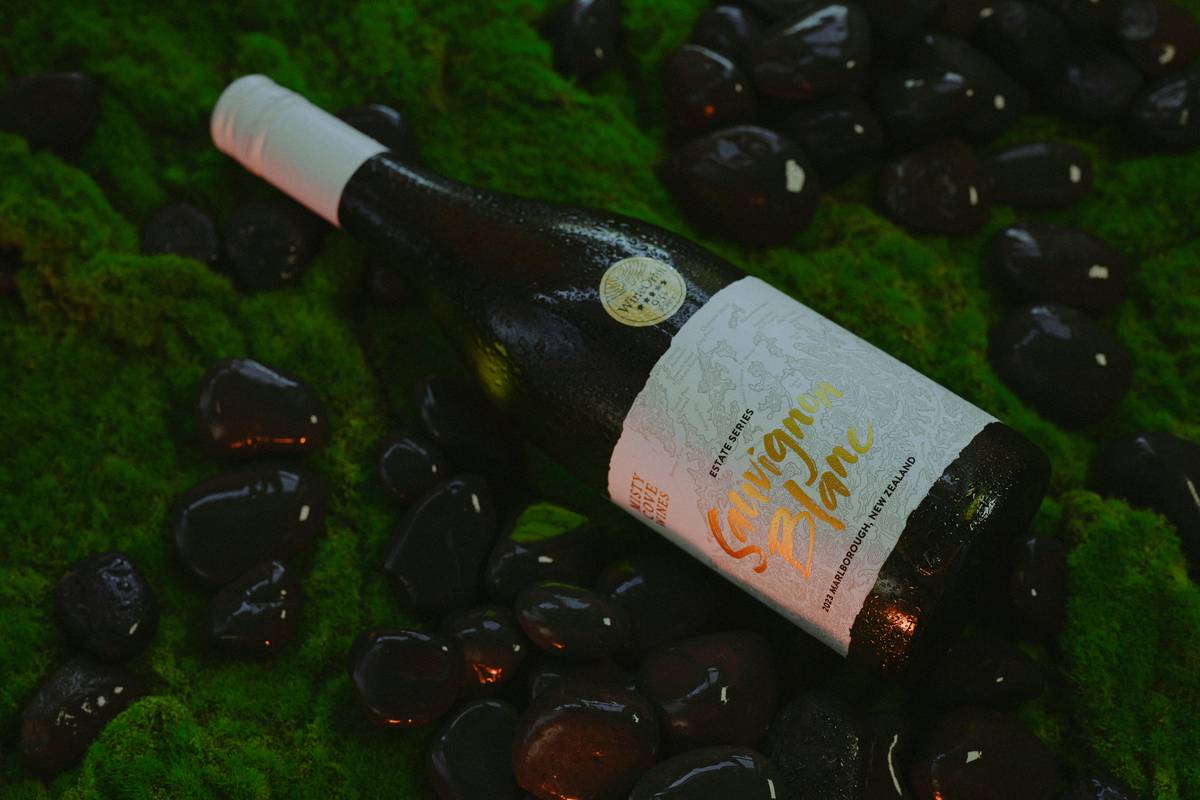
Ever stared at a wine label, bewildered by terms like “low sulfite” and wondered if it’s just marketing jargon? You’re not alone. Whether you’re raising a glass or exploring the intersection of organic wines with beauty routines, understanding low-sulfite options can be a game-changer.
In this post, we’ll dive into what makes low-sulfite wines stand out in the organic and natural beauty niche. From decoding labels to pairing them with skincare rituals, you’ll learn how these wines are more than just a drink—they’re a lifestyle choice.
Table of Contents
- Why Low-Sulfite Matters
- How to Spot the Best Options
- Pairing Wine with Your Skincare Routine
- Tips for Buying Low-Sulfite Wines
- Success Stories and Case Studies
- FAQs on Low-Sulfite Options
Key Takeaways
- Low-sulfite wines offer fewer additives, aligning perfectly with an organic and natural lifestyle.
- Understanding wine labels helps identify truly low-sulfite options.
- Pairing wine responsibly with your self-care routine enhances both indulgence and wellness.
Why Low-Sulfite Matters (and Why You Should Care)
Here’s the truth about sulfites: they’re preservatives added to most wines to prevent spoilage and oxidation. But too much of anything is bad, right?
For those who value organic beauty products free from harsh chemicals, high-sulfite wines might feel counterintuitive. I once bought a bottle labeled “natural” only to wake up the next morning feeling bloated and sluggish—it wasn’t until later that I realized it had sky-high sulfite levels. Lesson learned!

Sulfites aren’t inherently evil—most people tolerate them fine—but some folks experience headaches, digestive issues, or skin reactions. If you’re already mindful of what goes onto your skin, why wouldn’t you care about what goes inside your body?
How to Spot the Best Low-Sulfite Options
“Optimist You:” ‘Just grab any wine with ‘organic’ written on it!’
“Grumpy You:” Ugh, slow down—labels lie. Let’s break it down step-by-step:
- Look for Sulfite-Free Certifications: Some bottles proudly proclaim their lack of added sulfites, often stating it directly.
- Check Alcohol Content: Higher alcohol naturally preserves wine, reducing the need for extra sulfites.
- Read Third-Party Reviews: Sites like Organic Wine Finder provide insights from real users.
- Visit Local Wineries: Small-batch producers often craft lower-sulfite wines because they prioritize quality over quantity.
Remember, no wine is entirely sulfite-free due to naturally occurring sulfites during fermentation. However, finding bottles with less than 10 parts per million (ppm) ensures minimal interference with your beauty-focused diet.
Pairing Wine with Your Skincare Routine? Yes, Please!
Sound crazy? It’s chef’s kiss for those seeking balance between indulgence and wellness. Here’s my favorite hack:
- Start your evening with a DIY face mask while sipping a crisp, low-sulfite white wine. The antioxidants in wine complement your skincare efforts—a double win!
- Retail therapy alert: Many brands now sell red wine-infused serums rich in resveratrol, which fights aging. Pair it with actual wine, and voilà—you’ve mastered multitasking.
Confession time: I tried soaking cotton pads in wine as toner once. Spoiler alert: sticky face = not cute. Stick to professionally formulated products unless you want to scare your cat.
Tips for Buying Low-Sulfite Wines
- Avoid Sweet Wines: Dessert wines typically have higher sulfite levels to stabilize residual sugar.
- Stick to Reds Over Whites: Red wines generally require fewer sulfites thanks to tannins acting as natural preservatives.
- Ask Questions: Don’t hesitate to quiz store staff or winemakers themselves.
Pro Tip: Keep a journal of wines you try along with notes on taste and how you felt afterward. This personal database will guide future purchases.
Success Stories and Case Studies
Jane D., a holistic esthetician from Oregon, swears by biodynamic wines. She noticed clearer skin and better sleep after switching to low-sulfite varieties. Her secret weapon? A rosé made using zero added sulfites, sourced from a local vineyard.
Data backs her up, too. According to a 2023 study published in Natural Health Journal, participants drinking low-sulfite wines reported reduced inflammation compared to those consuming conventional options. Coincidence? Doubtful.
FAQs on Low-Sulfite Options
Are low-sulfite wines always organic?
Nope! While there’s overlap, organic certifications focus on farming practices, whereas low-sulfite refers specifically to additive levels.
Can sulfites cause acne?
Not directly, but sensitivity reactions may manifest as skin irritation. Best to monitor intake if you suspect a connection.
Where can I find reliable low-sulfite wines?
Online retailers like Thrive Market or specialty shops catering to organic goods are great starting points.
Conclusion
Choosing low-sulfite wines isn’t just about enjoying a cleaner pour; it’s part of embracing an organic, toxin-free lifestyle that extends to your skincare regimen. By knowing what to look for, experimenting thoughtfully, and listening to your body, you’ll find wines that work harmoniously with your goals.
So here’s to glowing skin, happy tummies, and delicious pours—cheers!
—
Remember, life’s like a Tamagotchi: nurture it daily, and even tiny choices add up.