Ever bought a bottle of wine, only to feel guilty about the environmental impact? If you’re nodding your head, you’re not alone. But what if I told you there’s a way to enjoy your favorite beverage without compromising on sustainability? Enter low-impact organic wines.
In this post, we’ll dive into the world of low-impact organic wines, exploring why they’re a must-have for any beauty and skincare enthusiast. You’ll learn about the benefits, how to choose the right one, and real-world examples that will make you a believer.
Table of Contents
- Key Takeaways
- Why Low-Impact Organic Wines Matter
- Choosing the Right Wine: A Step-by-Step Guide
- Tips and Best Practices
- Real-World Examples and Success Stories
- FAQs
- Conclusion
Key Takeaways
- Low-impact organic wines are better for the environment and your health.
- Look for certifications and labels when choosing a wine.
- Enjoying low-impact organic wines can enhance your overall wellness and beauty routine.
- Real success stories and tips from experts in the field.
Why Low-Impact Organic Wines Matter
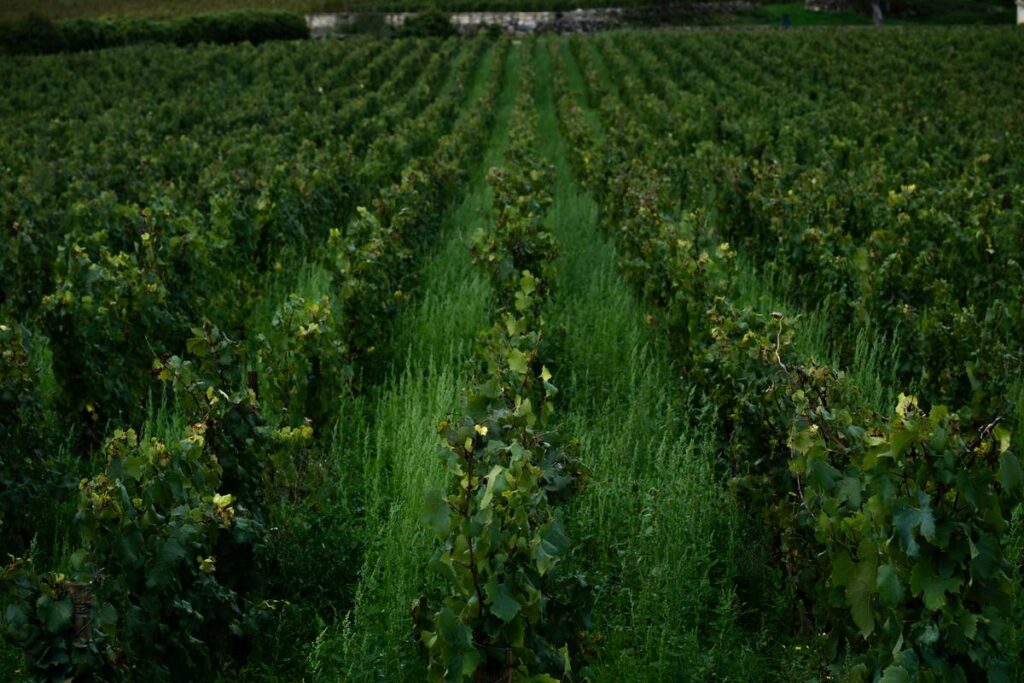
Let’s face it, the beauty and skincare industry is all about taking care of yourself. But what about the products you use and the things you consume? Traditional wines often come with a hefty environmental footprint, from the use of pesticides to high carbon emissions in production. This is where low-impact organic wines shine.
Choosing the Right Wine: A Step-by-Step Guide
*Optimist You:* “Finding the perfect low-impact organic wine is easy!”
*Grumpy You:* “Sure, if by ‘easy’ you mean standing in the aisle for an hour reading labels.”
- Check the Labels: Look for certifications like USDA Organic, Demeter (Biodynamic), and ECOCERT. These labels ensure the wine meets strict organic standards.
- Evaluate the Vineyard: Research the vineyard’s practices. Do they use sustainable farming methods? Are they transparent about their processes?
- Consider the Region: Different regions have different climates and soil types, which can affect the wine’s quality and flavor. Choose a region known for its commitment to sustainability.
- Read Reviews: Check out reviews and ratings from other consumers and experts. They can provide valuable insights into the taste and quality.
Tips and Best Practices
*Optimist You:* “These tips will make your wine selection process a breeze!”
*Grumpy You:* “If by ‘breeze’ you mean a strong, gale-force wind.”
- Start Small: Begin with a few bottles from different vineyards to find your favorite. This way, you can sample a variety without breaking the bank.
- Support Local: Buying from local vineyards reduces the carbon footprint associated with transportation. Plus, you’ll support small businesses, which is always a win.
- Store Properly: Keep your wine in a cool, dark place. Avoid direct sunlight and temperature fluctuations, as these can affect the wine’s quality.
- Taste Mindfully: Savor each sip. Pay attention to the flavors and aromas. This will help you appreciate the nuances of the wine and make the experience more enjoyable.
- Terrible Tip (Disclaimer): Don’t buy based on price alone. While some expensive wines may be high-quality, there are also great affordable options. It’s about finding the right balance.
Rant Section: A Pet Peeve
One of my biggest pet peeves in the wine world is the lack of transparency. Some wineries claim to be organic but don’t provide any evidence or certifications. It’s frustrating and misleading. Always look for clear, verifiable information before making a purchase. End rant.
Real-World Examples and Success Stories
Let’s take a look at some real-world examples of vineyards that are leading the way in low-impact organic wine production.
- Domaine de la Côte, Santa Barbara, CA: This vineyard is known for its biodynamic and organic farming practices. They have won numerous awards for their high-quality, sustainable wines.
- Château Maris, Minervois, France: Château Maris is a pioneer in organic and biodynamic winemaking. Their vineyards are home to a diverse ecosystem, and their wines are consistently praised for their complexity and depth of flavor.
FAQs
- What makes a wine “low-impact”?
- A low-impact wine is produced using sustainable and environmentally friendly practices. This includes minimal use of synthetic chemicals, water conservation, and energy efficiency.
- Are organic wines more expensive?
- Not necessarily. While some organic wines may be more expensive due to the higher costs of production, there are also many affordable options available. It’s about finding the right balance between quality and cost.
- How do I know if a wine is really organic?
- Look for certifications such as USDA Organic, Demeter (Biodynamic), and ECOCERT. These labels ensure that the wine meets strict organic standards.
Conclusion
Low-impact organic wines offer a sustainable and healthy alternative to traditional wines. By choosing these wines, you’re not only supporting the environment but also enhancing your overall wellness and beauty routine. Whether you’re a seasoned wine connoisseur or a beginner, there’s a low-impact organic wine out there for you.
So, the next time you’re in the wine aisle, remember to look for those certifications and support vineyards that are committed to sustainability. Your taste buds and the planet will thank you.
Like a Tamagotchi, your journey with low-impact organic wines needs daily care.