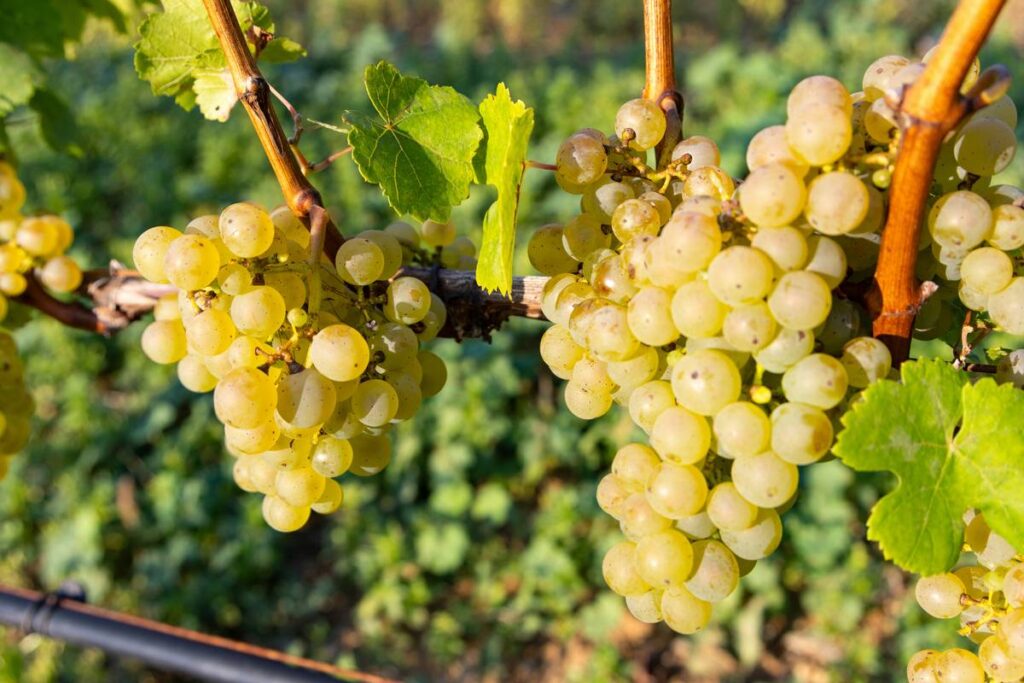
Ever stared at a glass of wine and wondered, “Is my nightcap secretly trashing the planet?” Spoiler: it might be. But here’s the good news—carbon neutral organic wines are here to save your evening (and maybe the Earth). So grab a glass, pour yourself a sip, and let’s dive into how your beauty routine—and your wine rack—can go green together.
Table of Contents
- Why Carbon Neutral Wine Matters for You and the Planet
- How to Pick a Truly Carbon Neutral Organic Wine
- Top Tips for Enjoying Green Without Sacrificing Flavor
- Wineries Leading the Charge Toward Carbon Neutrality
- Frequently Asked Questions About Carbon Neutral Organic Wines
Key Takeaways
- Carbon neutral organic wines help reduce greenhouse gas emissions while offering chemical-free indulgence.
- Choosing carbon neutral wines involves looking for certifications, eco-friendly packaging, and sustainable vineyard practices.
- Supporting carbon neutral wineries contributes to global climate action in an unexpectedly delightful way.
- Switching doesn’t mean sacrificing flavor; many renowned labels now offer top-tier sustainable wines.
Why Carbon Neutral Wine Matters for You and the Planet
“Optimist You:” ‘Imagine savoring something guilt-free.’
“Grumpy You:” ‘Yeah, but what if it tastes like wet cardboard?’ Let me stop you right there. Choosing carbon neutral organic wines isn’t just about ticking some environmental box—it’s about aligning your lifestyle with values that matter without trading quality.
Did you know traditional winemaking emits approximately 2.6 pounds of CO2 per bottle? That’s enough to power a lightbulb for six hours! Add pesticides, non-recyclable bottles, and transportation emissions, and suddenly, happy hour starts feeling more like guilty o’clock. Enter carbon neutral wines—a solution so smooth, even your inner grump will toast to it.
How to Pick a Truly Carbon Neutral Organic Wine
Step 1: Check for Certifications
No one wants to get bamboozled by buzzwords. Look for legitimate certifications like USDA Organic, Demeter Biodynamic, or Carbon Trust labels. These badges ensure the producer walks their talk.
Step 2: Investigate Packaging
Glass may feel elegant, but recycled materials reign supreme. Some brands opt for lightweight bottles or even boxed wine (don’t knock it ‘til you try it!) to minimize carbon footprints during shipping.
Step 3: Research Vineyard Practices
From water conservation techniques to renewable energy use, digging into a vineyard’s backstory can uncover gold—or grape juice, in this case. Bonus points for those who support local biodiversity.
Top Tips for Enjoying Green Without Sacrificing Flavor
- Buy Local: Opt for regional producers to cut down on transportation emissions.
- Mix It Up: Don’t stick to one style. Explore lesser-known varietals often grown using lower-impact methods.
- Reuse Bottles: Get crafty! Turn empty bottles into candle holders or herb planters instead of tossing them.
- The Terrible Tip™: Avoid ultra-cheap “organic” imports. Odds are they’re cutting corners somewhere worse than taste.
Wineries Leading the Charge Toward Carbon Neutrality
Take Domaine Carneros, a sparkling wine producer in California. They installed solar panels across their estate, reducing energy consumption by over 40%. Or Château Smith Haut Lafitte in Bordeaux, which uses geothermal heating for fermentation tanks. Both prove sustainability pairs perfectly with exceptional craftsmanship.
Sounds too corporate? Not when you hear from smaller players like South Africa’s Waterkloof Estate. Their horse-plowed vineyards and biodynamic farming show that big impact comes in small packages.
Frequently Asked Questions About Carbon Neutral Organic Wines
What Does “Carbon Neutral” Mean Exactly?
Great question! It means the winery offsets all its direct and indirect greenhouse gas emissions through reforestation projects, renewable energy investments, or similar initiatives.
Does Organic Always Mean Better Quality?
While not guaranteed, organic wines often boast richer flavors due to natural viticulture methods that prioritize soil health over shortcuts.
Are These Wines More Expensive?
Not always. Many carbon neutral options sit within typical mid-range pricing. Think $15-$30—not exactly bargain bin territory, but worth every penny.
Conclusion
We’ve uncorked the truth: carbon neutral organic wines are as much about beauty inside the bottle as out. By supporting these eco-conscious efforts, you become part of a movement bigger than any single vintage. So next time you raise a glass, make sure it’s doing double duty—for pleasure *and* the planet.
Like a Tamagotchi, your sustainability journey needs daily care. Cheers to that!