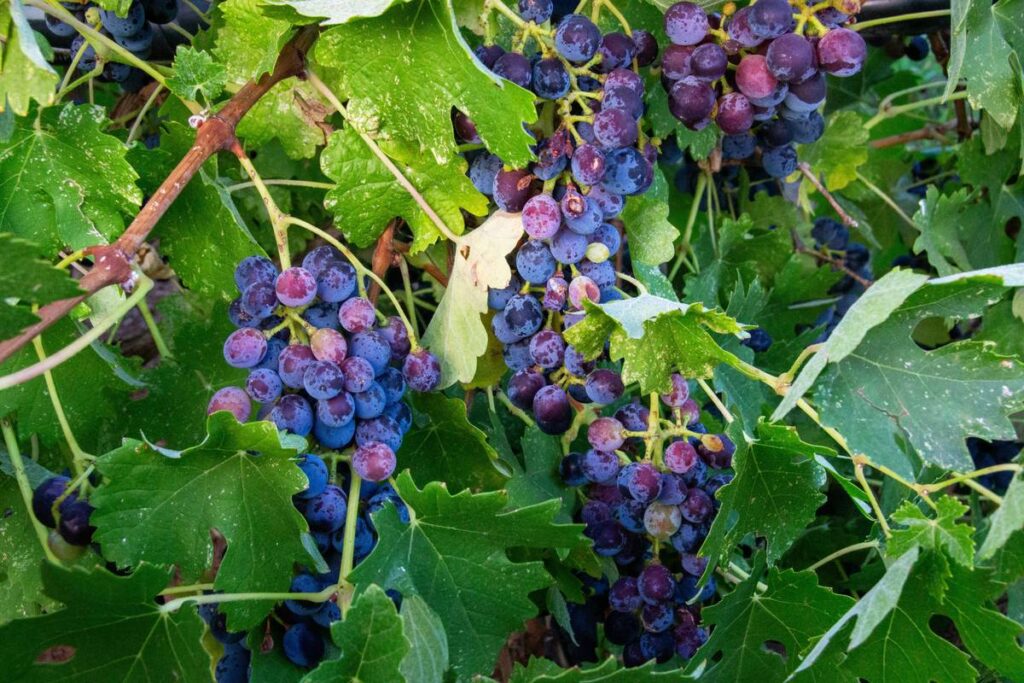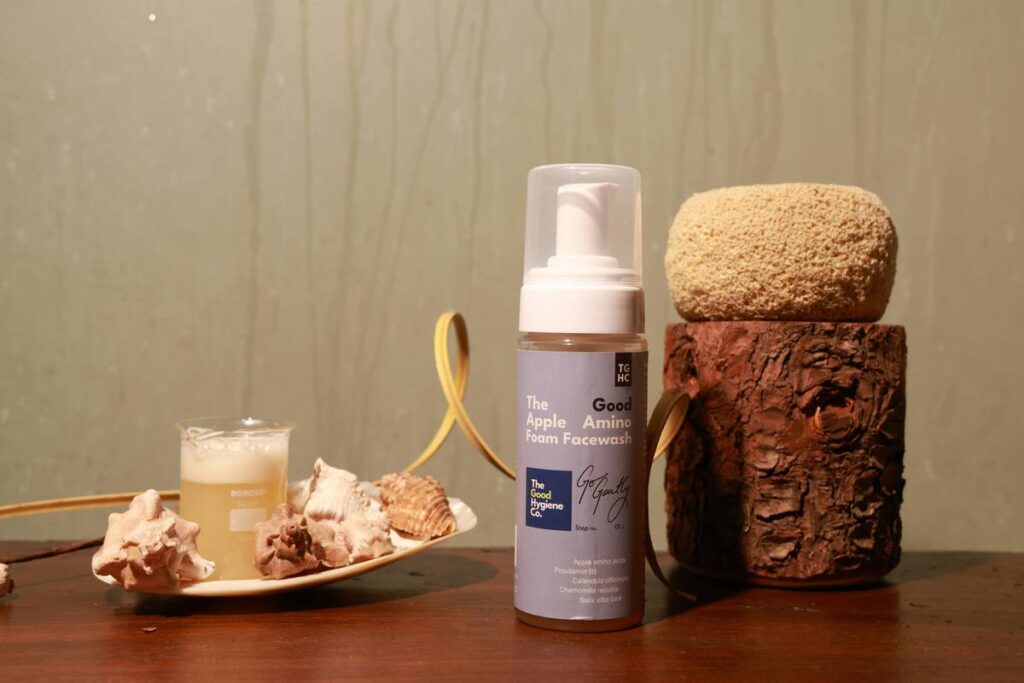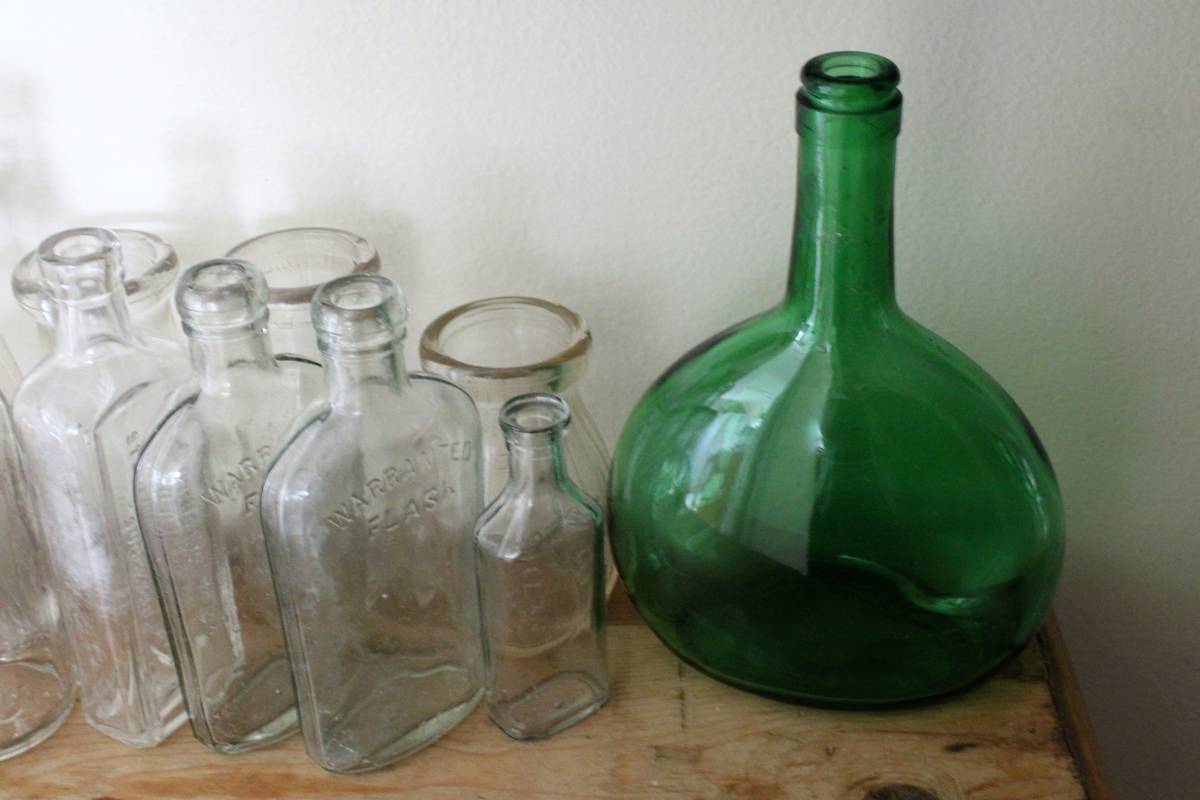
Ever stared at your recycling bin wondering if that fancy organic wine bottle could do more than just hold your favorite Cabernet? Yeah, us too. What if I told you recyclable packaging is not only eco-friendly but also a game-changer for brands trying to stand out in the organic beauty industry?
In this article, we’ll uncork the potential of recyclable packaging for organic wines within beauty & skincare—why it matters, how to execute it like a pro, and real examples of companies already leading the charge. Spoiler alert: Your brand might be the next big thing everyone’s talking about!
Table of Contents
- Why Recyclable Packaging Matters
- How to Implement Recyclable Packaging
- Best Practices for Maximizing Impact
- Brands Doing It Right
- Frequently Asked Questions
Key Takeaways
- Recyclable packaging strengthens sustainability efforts while enhancing brand reputation.
- Organic wines can serve as inspiration for unique collaborations between food/beverage and beauty industries.
- Small mistakes (like vague labeling) can ruin even the greenest intentions.
- Real-world case studies prove eco-conscious strategies drive customer loyalty.
Why Does Recyclable Packaging Matter?
Let’s talk waste. Did you know that globally, only 9% of all plastic ever produced has been recycled? That stat tastes worse than last year’s boxed chardonnay, doesn’t it? When you’re selling anything “organic” or “natural,” slapping non-recyclable junk on your goods feels like serving a gourmet meal on a paper plate.
The beauty world is obsessed with authenticity—and guess what screams authentic? Eco-friendly practices! Brands using recyclable packaging position themselves as stewards of the planet, earning trust from consumers who are increasingly voting with their wallets.
How to Roll Out Recyclable Packaging Like a Pro
Optimist You:
“Follow these steps, and your brand will shine brighter than glitter eyeshadow!”
Grumpy You:
“Ugh, fine—but only if coffee’s involved.”
- Audit Your Current Packaging: Look under the hood. Are there plastics that can’t be recycled? Time to Marie Kondo those bad boys goodbye.
- Pick Materials Wisely: Think biodegradable boxes, reusable glass, or plant-based inks. Bonus points if they feel luxe.
- Educate Customers: Don’t leave folks guessing. Add clear labels like “Recycle Me!” so no one tosses it into landfill purgatory.
Best Practices for Maximizing Impact
To ensure your recyclable packaging strategy sings (and doesn’t flop), consider these tips:
1. Pair Sustainability with Functionality
Ever bought skincare inside gorgeous packaging that was impossible to open without pliers? Yeah, don’t be *that* brand. Test usability alongside recyclability.
2. Storytelling Is Key
Tell customers why you went recyclable. Was it inspired by an overflowing trash bin during a vineyard tour? Stories humanize your mission.
3. Collaborate Across Niches
This one’s wild—but effective. Partner with organic wineries to co-create limited edition beauty collections housed in dual-use containers. Double impact, double sales!
4. Avoid This Terrible Tip:
Do NOT skip explaining how to recycle your package properly. A vague label might lead well-meaning customers astray—and straight into eco-guilt hell.
Brands Doing It Right
Take a sip of wisdom from L’Occitane, whose iconic almond-shaped lotion bottles are made from 100% recycled plastic AND fully recyclable. They’ve built a cult following around sustainable luxury.
On the booze side, check out Sand Hills Winery—they use sleek, reusable glass bottles designed to double as vases post-consumption. Now THAT’S thinking outside the box…or bottle.
Frequently Asked Questions
Q: How Much Does Switching to Recyclable Packaging Cost?
A: Prices vary depending on materials and scale, but initial investments often pay off via increased customer loyalty and perceived value.
Q: Can Recyclable Packaging Really Boost My Brand Image?
A: Absolutely! Modern shoppers prioritize sustainability; standing out here sets you ahead of competitors still clinging to single-use plastics.
Q: What If My Products Need Extra Protection During Shipping?
A: Explore padded mailers made from biodegradable materials or molded pulp inserts instead of Styrofoam.
Conclusion
Glass half full or empty? With recyclable packaging, the future looks rosé-colored for organic wines branching into the beauty space. By auditing current setups, choosing mindful materials, and collaborating creatively, your brand can thrive sustainably—and stylishly.
And remember, like a Tamagotchi, your SEO needs daily care. Keep tweaking those meta tags!