Holy Grapes, Batman! Have You Met the Eco-Friendly Wine Revolution?
Ever opened a bottle of wine and felt a pang of guilt about the environmental impact? Yeah, us too. But what if we told you there’s a way to enjoy your favorite organic wines without the eco-guilt? In this post, we’ll dive into the world of biodegradable-packaged wines, where sustainability meets sophistication. You’ll learn why they’re a game-changer, how to choose the best ones, and even some tips on making your own eco-friendly wine choices.
Table of Contents
Key Takeaways
- Biodegradable-packaged wines are a sustainable alternative to traditional bottles.
- Choosing eco-friendly wines helps reduce your carbon footprint and supports green initiatives.
- There are several ways to identify and select high-quality biodegradable-packaged wines.
- Eco-conscious wine brands are leading the charge in innovation and sustainability.
- Making small changes in your wine consumption can have a big impact on the environment.
The Problem with Traditional Wine Packaging
Grumpy You: “Ugh, do I really need to explain why plastic and glass bottles are bad for the planet?”
Optimist You: “Absolutely, it’s important to understand the impact before we dive into the solution!”
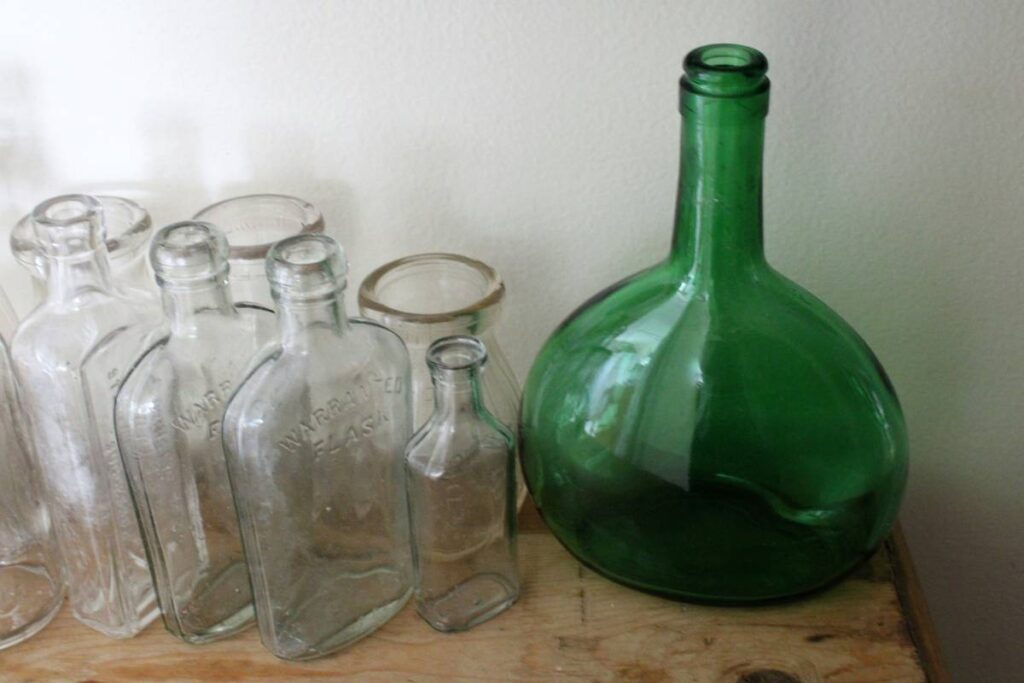
Traditional wine packaging, while iconic, is not the most environmentally friendly. Glass bottles, for instance, require a lot of energy to produce and transport. Plastics, on the other hand, take hundreds of years to decompose, contributing to our global waste problem. It’s like that one friend who never cleans up after themselves—annoying and harmful in the long run.
How to Choose and Enjoy Biodegradable-Packaged Wines
Step 1: Research and Identify Eco-Friendly Brands
Optimist You: “Start by looking for brands that prioritize sustainability!”
Grumpy You: “Fine, but only if I can do it from my couch with a glass of wine in hand.”
Use resources like online reviews, wine blogs, and social media to find brands that use biodegradable packaging. Look for certifications and labels that indicate eco-friendliness, such as “compostable,” “recyclable,” or “biodegradable.”
Step 2: Check the Material of the Packaging
Optimist You: “Make sure the packaging is truly biodegradable!”
Grumpy You: “Yeah, because the last thing I need is more trash in my life.”
Common biodegradable materials include plant-based plastics, cellulose, and paper composites. These materials break down naturally and don’t add to the landfill burden.
Step 3: Consider the Wine Quality
Optimist You: “Don’t compromise on taste!”
Grumpy You: “Obviously. I’m not drinking vinegar, am I?”
Just because a wine is eco-friendly doesn’t mean it has to be subpar. Read reviews and seek out wines that are both sustainable and delicious. After all, the whole point is to enjoy your wine, right?
Tips and Best Practices for Eco-Friendly Wine Consumption
- Support local wineries and vineyards that focus on sustainable practices.
- Recycle or compost your wine packaging according to the instructions provided.
- Consider buying wine in bulk to reduce packaging waste.
- Share your eco-friendly wine choices with friends and family to spread awareness.
- Stay informed about new innovations in biodegradable packaging and support them.
Real-World Success Stories: Biodegradable Wines in Action
Optimist You: “Let’s see some success stories!”
Grumpy You: “Yeah, but make it quick. I’ve got a glass of wine waiting.”
One of the pioneering brands in this space is GreenGrape Co.. They launched a line of biodegradable-packaged wines that have been a hit with consumers and the environment. Their innovative packaging is made from 100% plant-based materials and degrades within six months. Another example is NaturalVineyards, which uses recycled paper and a special coating to create a fully biodegradable and water-resistant wine container.
FAQs: Your Burning Questions Answered
What are biodegradable materials?
Biodegradable materials are those that can naturally break down over time, returning to the earth without leaving harmful residues. Common examples include plant-based plastics, cellulose, and paper composites.
Are biodegradable wines more expensive?
Not necessarily. While some eco-friendly products may be pricier due to the higher production costs, many brands are now offering affordable options as they scale up and become more efficient.
How can I recycle biodegradable wine packaging?
Check the packaging for recycling or composting instructions. Most biodegradable materials can be added to your home compost bin or taken to a commercial composting facility.
Do biodegradable wines taste different?
No, the taste of the wine is not affected by the packaging. Winemakers take great care to ensure that the wine remains at its best quality, regardless of the packaging.
Conclusion
The rise of biodegradable-packaged wines is a testament to the growing commitment to sustainability in the beauty and skincare industry. By choosing these eco-friendly options, you not only reduce your environmental impact but also support the innovative brands leading the way. Remember, every small step counts, and together, we can make a big difference.
Optimist You: “Let’s raise a glass to a greener future!”
Grumpy You: “Cheers to that, but pass me the coffee first.”
Like a Tamagotchi, your eco-friendly choices need daily care. So, let’s keep sipping sustainably and making the world a little greener, one glass at a time.