Ever sipped a glass of wine and wondered if it could actually be good for your skin—and the planet? Yeah, us too. Turns out, the world of organic wines isn’t just about what’s in your glass; it’s about how those wines are made. Enter: artisan winemaking. A practice steeped in tradition, sustainability, and a little bit of magic that ties beautifully into the organic and natural beauty movement.
In this post, we’ll uncork the secrets of artisan winemaking and explore why this ancient craft is making waves in the modern beauty industry. Expect to learn how small-batch wines align with eco-conscious values, the skincare benefits they offer, and tips for choosing the best bottles. Let’s dive in!
Table of Contents
- Why Artisan Winemaking Matters
- How to Spot Authentic Artisan Wines
- Best Practices for Sustainable Sipping
- Case Studies: Success Stories
- FAQ: Your Top Questions Answered
Key Takeaways
- Artisan winemaking prioritizes sustainability, using time-honored methods that protect both the earth and our health.
- Organic wines produced through artisanal processes can contribute antioxidants beneficial for skin vitality.
- Small-batch wineries focus on quality over quantity, creating distinct flavors while reducing environmental impact.
Why Artisan Winemaking Matters
Optimist You: “But wait—can wine really impact my skin and lifestyle that much?”
Grumpy Me: “If it’s mass-produced swill loaded with pesticides, nope. But artisan wines? Oh yes.”
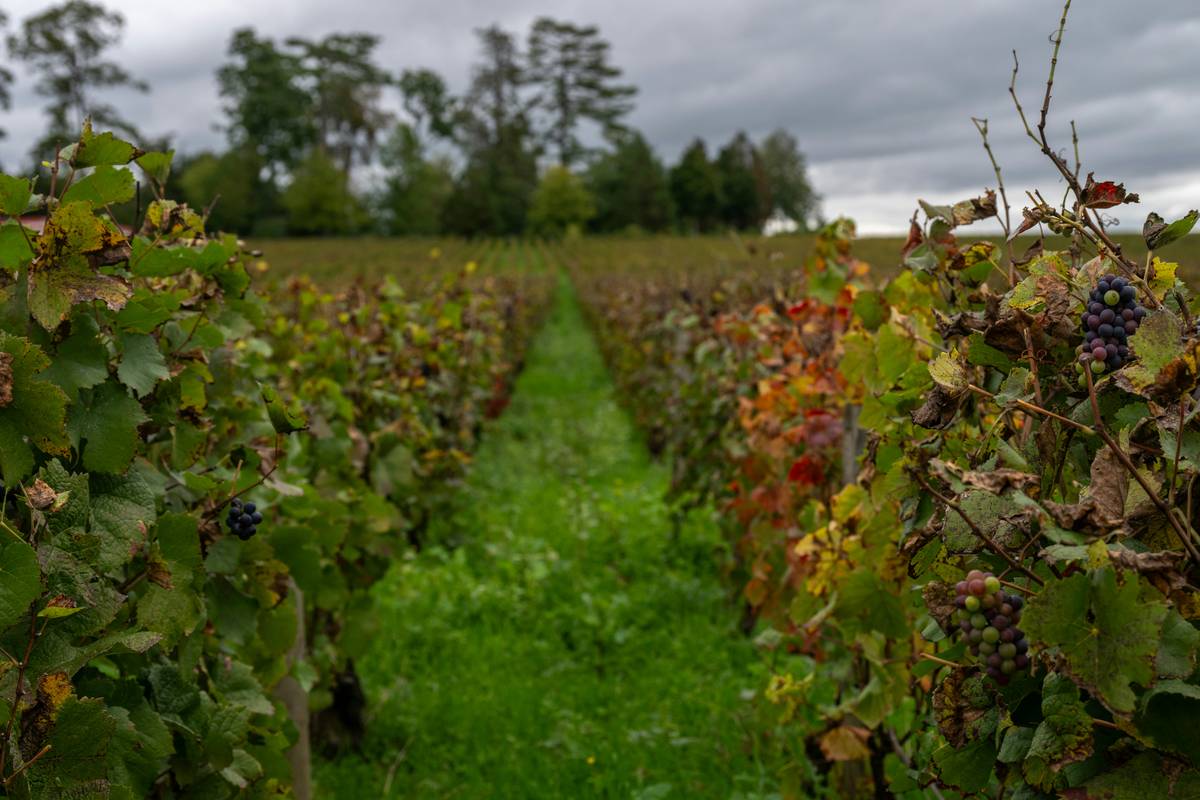
At its core, artisan winemaking rejects industrial shortcuts. These winemakers often use biodynamic farming practices, avoiding synthetic fertilizers and chemicals that harm soil health (and by extension, vineyard workers). The result? Cleaner products that align perfectly with the ethos of organic beauty.
How to Spot Authentic Artisan Wines
Let’s talk labels—not the fancy ones designed to sell you snake oil but the ones that tell you where your wine comes from and how it was made. Here’s a quick guide:
Step 1: Check for Certifications
Look for USDA Organic, Demeter Biodynamic, or EU-BIO certifications. This ensures the wine adheres to strict organic standards during production.
Step 2: Trace the Origins
Authentic artisans pride themselves on transparency. Can you track the bottle back to a specific vineyard or family-run estate? If so, congrats—you’ve found gold.
Step 3: Taste Test
This one sounds fun because it is. Artisan wines have unique flavor profiles due to terroir—the environment where grapes grow. Unlike commercial wines pumped full of additives, these taste like *place*.
Best Practices for Sustainable Sipping
Now that you know what to look for, let’s cover how to sip sustainably without losing the joy factor:
- Buy Local: Support nearby wineries whenever possible. Fewer transport miles = lower carbon footprint.
- Use Reusable Bottles: Hosts, ditch single-use glasses at parties. Opt for chic reusable stemware instead.
- Skip the Cork Trashing: Did you know cork trees are critical to biodiversity? Recycle corks or repurpose them creatively.
Pro Tip:
Avoid gimmicks claiming “superfood-infused wines.” Trust me—I once fell for a “blueberry-enhanced Merlot,” only to end up with a headache worse than Instagram algorithm updates.
The Rant Section:
And don’t even get me started on greenwashing tactics. Some brands slap “natural” on their labels when their grapes scream chemical cocktail. Always dig deeper before buying! It’s chef’s kiss frustration every time someone falls for marketing fluff over real substance.
Case Studies: Success Stories
Take Domaine Leroy as an example—a French powerhouse practicing biodynamic agriculture since the 80s. Their devotion has earned global acclaim, proving sustainability pays off—literally and metaphorically.
In California, Bonterra Vineyards showcases how large-scale operations can still prioritize ethics. They’ve reduced water usage by 35% while producing award-winning vintages. Talk about drowning algorithms… ahem, droughts.
FAQ: Your Top Questions Answered
Does artisan winemaking cost more?
Yes, but think of it as investing in craftsmanship and ethical practices rather than paying premium prices solely based on branding.
Are all organic wines free of sulfites?
Nope. While naturally occurring sulfites are present in most wines, certified organic wines contain fewer artificial preservatives compared to conventional options.
Can I find affordable artisan wines?
You bet. Explore lesser-known regions outside Napa Valley or Bordeaux; countries like Portugal and South Africa produce exceptional yet wallet-friendly choices.
Conclusion
We’ve uncorked the truth behind artisan winemaking and shown how it intertwines with organic beauty ideals. From understanding certifications to embracing eco-friendly habits, becoming a savvy sipper doesn’t have to be complicated—it just needs intention.
To recap:
- Choose authentic, small-batch wines.
- Look beyond flashy packaging for genuine eco-commitments.
- Remember—every glass supports better farming practices when sourced responsibly.
Cheers to guilt-free indulgence and glowing skin!
P.S. Like a vintage Tamagotchi, great wines improve with care and attention.