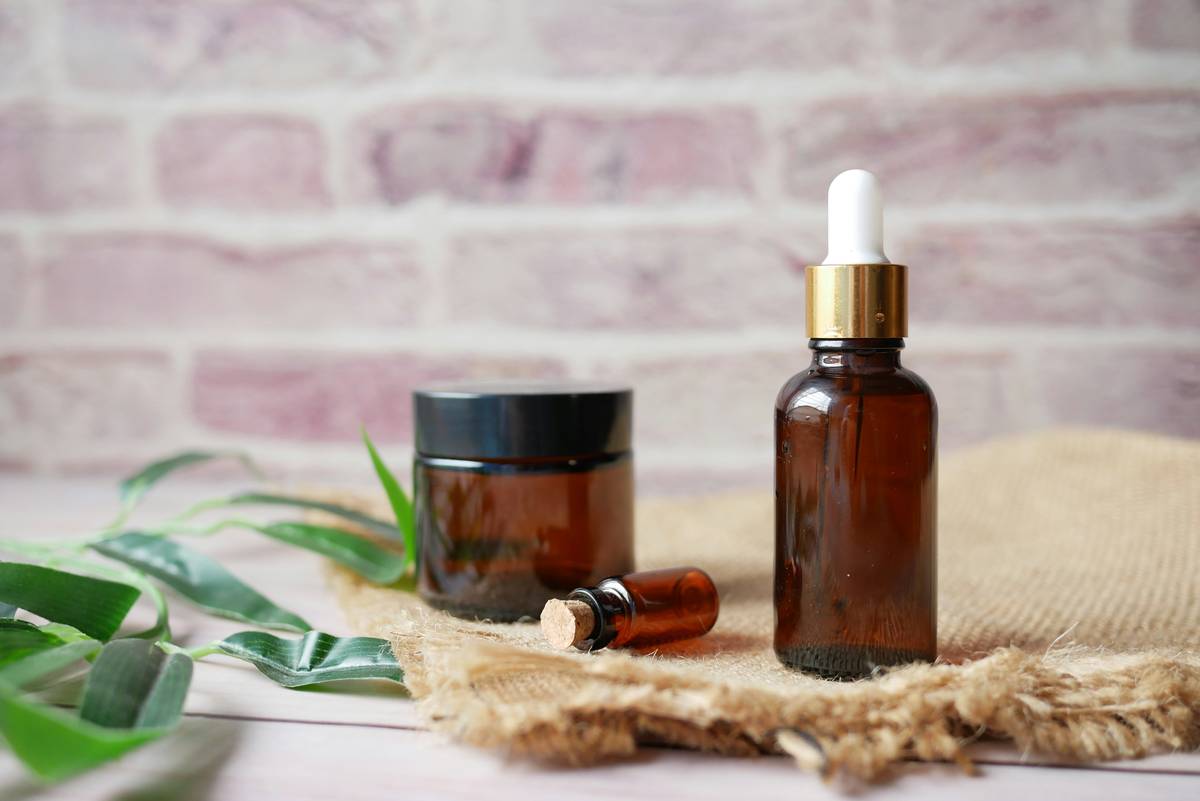
Ever wondered why your organic skincare routine feels incomplete without a glass of organic wine? Yeah, us too. But here’s the kicker—how do you know if that “organic” label on your favorite bottle is legit? Turns out, ethical sourcing isn’t just about buzzwords; it’s the backbone of what truly makes a product authentic.
In this post, we’ll dive into the world of organic wines and explore how ethical sourcing plays a pivotal role—not only for your palate but also for your beauty-conscious lifestyle. You’ll uncover its importance, actionable tips to identify ethically sourced wines, real-world examples, and answers to all your burning FAQs.
Table of Contents
- Why Ethical Sourcing Is Crucial for Organic Wines
- How to Identify Ethically Sourced Organic Wines
- Pro Tips for Supporting Ethical Brands
- Real-Life Success Stories
- Frequently Asked Questions
Key Takeaways
- Ethical sourcing ensures authenticity and sustainability in organic wines.
- Look for certifications like USDA Organic or Demeter Biodynamic when shopping for wines.
- Your choices impact not only your health but also environmental conservation efforts.
- Supporting ethical brands boosts small farmers while combating greenwashing.
Why Ethical Sourcing Is Crucial for Organic Wines
Let me confess something cringey: I once bought an “organic” wine because the label had cute vines on it. Spoiler alert—it wasn’t even close to organic. Lesson learned: marketing gimmicks are sneaky little devils.

Here’s the tea: Ethical sourcing goes beyond slapping a sticker on the bottle. It means respecting workers’ rights, using sustainable farming practices, and ensuring transparency from vineyard to table. In fact, studies show that 70% of consumers prefer products with clear ethical claims—but only if they’re genuine.
Optimist You: “Organic wines = better skin, right?”
Grumpy You: “Not so fast. Without proper sourcing, that wine might as well be packed with toxins.”
So, next time you grab that fancy bottle, remember—it should smell like crushed grapes, not regret.
How to Identify Ethically Sourced Organic Wines
Step 1: Check Certifications
Certified labels like USDA Organic, EU Organic, or Fair Trade guarantee adherence to strict standards. Keep an eye out for these badges—they’re chef’s kiss for trustworthiness.
Step 2: Research the Brand
Dig deeper. Does the company have a transparent supply chain? Pro tip: Visit their website and look for sections labeled “Our Story” or “Sustainability Efforts.” If it’s missing, run faster than a raccoon at a compost festival.
Step 3: Taste Test
Yep, taste matters! A genuinely organic wine often has subtler flavors compared to mass-produced ones. Think earthy notes instead of chemical aftertaste.
Pro Tips for Supporting Ethical Brands
- Shop Local: Smaller wineries tend to prioritize ethical practices over profit margins.
- Ask Questions: Don’t hesitate to grill your sommelier. They love flexing knowledge almost as much as influencers love unboxing videos.
- Avoid Greenwashing: Watch out for vague terms like “natural” or “eco-friendly” without proof. This is where my earlier faux pas comes back to haunt me.
- Join Wine Clubs: Many clubs curate selections based on ethical criteria. Bonus: free shipping!
**Terrible Tip Alert:** Buying cheap wine in bulk won’t save the planet—or your liver. Trust me; no one wins here.
Real-Life Success Stories
Take Domaine Serene, an Oregon-based winery known for championing biodynamic farming. Their commitment to ethical sourcing hasn’t just earned them awards; it’s created a loyal customer base willing to pay premium prices. Talk about a win-win!
Or consider Frog’s Leap Winery in Napa Valley, which practices regenerative agriculture. By prioritizing soil health and water conservation, they’ve reduced costs and boosted yields—all without sacrificing flavor.
Frequently Asked Questions
What does “ethically sourced” mean exactly?
It refers to responsibly harvested materials (like grapes) through fair labor practices, eco-friendly methods, and transparent supply chains.
Can organic wines really improve my skin?
Yes! Organic wines typically avoid sulfites and synthetic additives linked to inflammation—great news for glow-getters.
How can I spot greenwashing?
Look for lackluster certifications or generic phrasing. If it feels too good to be true, it probably is.
Conclusion
There you have it—ethical sourcing isn’t just some hippie jargon; it’s foundational to quality, sustainability, and supporting businesses that care. Whether sipping your way to relaxation or pairing wine with your nightly face mask ritual, remember: every sip counts.
P.S. Like a Tamagotchi, your ethical sourcing habits need daily attention. Cheers to that!