Have you ever wondered what makes organic wines so good for your skin and soul? It’s not just the grapes—it’s the magic of natural fermentation. That’s right, the same process that gives wine its rich flavor also holds untapped beauty benefits for those who care about clean, organic skincare. Intrigued yet?
In this post, we’ll explore how natural fermentation works in organic winemaking, uncover its hidden beauty perks, and share actionable steps to incorporate it into your skincare routine. Along the way, we’ll tackle a common myth, rant about overpriced “natural” products, and even sprinkle in some quirky fun.
Table of Contents
- Key Takeaways
- The Science Behind Natural Fermentation
- How to Incorporate Natural Fermentation Into Skincare
- Pro Tips for Maximizing Benefits
- Real-World Examples of Success
- FAQs About Natural Fermentation and Skin Care
Key Takeaways
- Natural fermentation enhances nutrients in organic wines, offering unique skincare benefits.
- Fermented ingredients combat inflammation and promote hydration.
- Avoid marketing gimmicks by learning to spot truly organic fermented products.
- Create DIY beauty treatments using naturally fermented components like grapeseed oil.
What Is Natural Fermentation, Anyway?
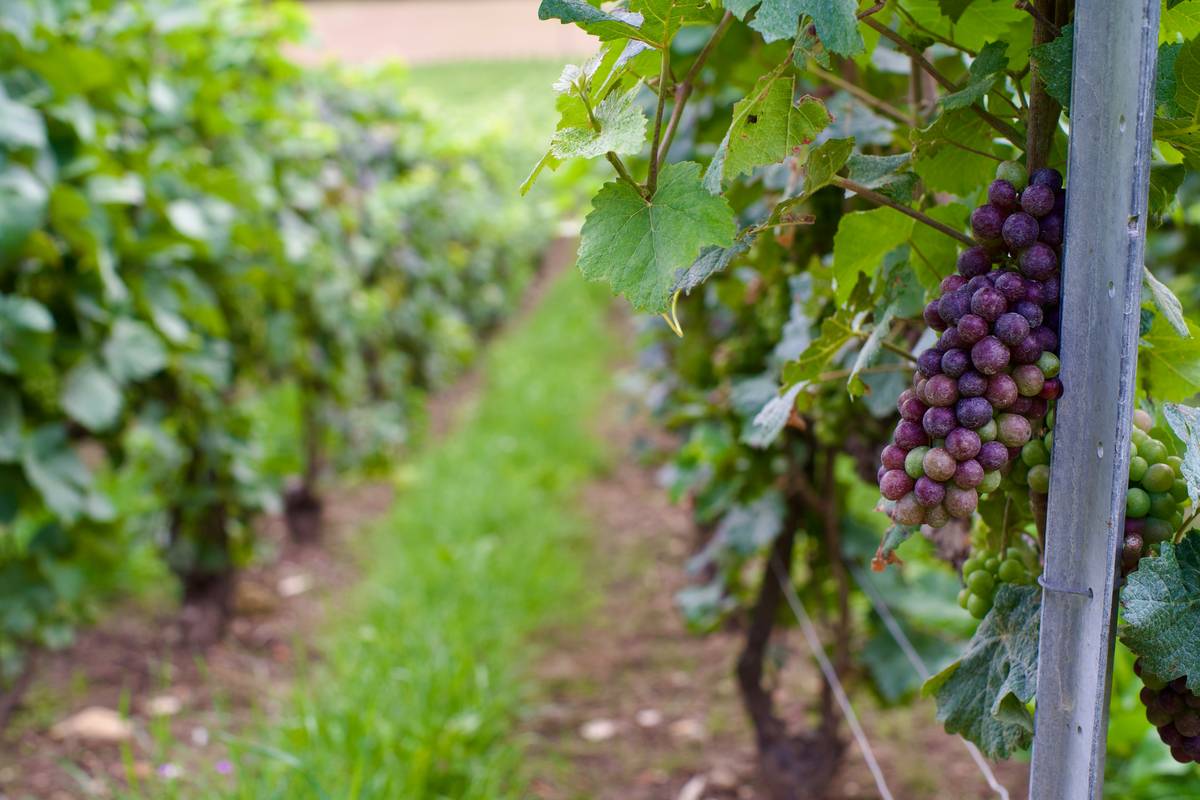
Let’s get nerdy for a moment. Natural fermentation happens when microorganisms like yeast and bacteria break down sugars into alcohol or acids. In winemaking, wild yeasts native to the vineyard kickstart this transformation. No synthetic additives, no shortcuts—just time-honored chemistry.
Optimist You: “So, does this mean my glass of merlot has magical powers?”
Grumpy Me: “Well…if by ‘magic’ you mean antioxidants and anti-inflammatory properties, then sure.”
Why Should You Care?
Confession time: I once slathered on an expensive serum promising “natural enzymes” without checking the label. Turns out, it was packed with preservatives and artificial fragrances. Lesson learned: Understanding natural fermentation helps you dodge greenwashing traps.
How to Incorporate Natural Fermentation Into Your Skincare Routine
Step 1: Choose Products with Fermented Ingredients
Look for labels listing fermented extracts like kombucha, sake, or even grape derivatives. These are powerhouses for soothing irritated skin and boosting elasticity.
Step 2: Make Your Own Mask
Here’s a recipe idea:
- 1 tablespoon organic honey (a natural humectant)
- ½ teaspoon powdered oats (fermented grains work wonders)
- A few drops of grapeseed oil (from organic wine production)
Mix, apply, relax, rinse. Sounds easy because it is.
Step 3: Spot Test Like a Pro
If you’re introducing new fermented goodies, patch-test first. Even all-natural stuff can irritate sensitive skin types.
Terrible Tip Alert!
Don’t believe influencers who claim rubbing red wine directly on your face will erase wrinkles overnight. Spoiler alert: It might stain more than rejuvenate.
Pro Tips for Maximizing Benefits
- Pair fermented skincare with balanced hydration routines.
- Research brands committed to transparency and sustainability.
- Store fermented products properly to maintain potency (hint: dark bottles + cool temps).
Real-World Examples of Success
Take Sarah, a devoted organic wine enthusiast turned skincare advocate. After noticing her complexion glowing post-wine tours, she researched the connection between fermentation and beauty. She now swears by a nightly ritual involving homemade masks derived from leftover grapes. Her secret? Consistency—and quality ingredients.
FAQs About Natural Fermentation and Skin Care
Q: Will drinking organic wine alone improve my skin?
A: While moderate consumption may help thanks to polyphenols, topical application amplifies results.
Q: Can anyone use fermented skincare?
A: Yes! But always check for allergies, especially if you’re sensitive to specific fermentations like dairy-based ones.
Q: How long until I see results?
A: Results vary but expect noticeable changes within four to six weeks with regular use.
Conclusion
Natural fermentation isn’t just a buzzword—it’s a centuries-old practice unlocking unparalleled beauty potential. By choosing carefully curated ingredients, making smart DIY choices, and steering clear of gimmicks, you can embrace the glow-enhancing prowess of organic wines. Cheers to radiant skin!
And remember…
Grapes ferment slow,
Skin drinks deep their goodness—
Nature knows best, folks.